
Online Counselling
Therapy that fits you
You might be wondering if online counselling is really for you. Some people worry it won’t feel the same as in-person therapy, or that it might be harder to connect. Before I started working this way, I had similar questions. But once I did, I quickly realised that the depth, connection, and effectiveness of therapy remain the same. Only with online therapy, there’s extra flexibility.
Many of the people I work with find online counselling actually helps them open up more easily. They feel safer and more comfortable to talk from a familiar space. And for those struggling with burnout or people pleasing, being able to fit therapy into a busy schedule can be a game changer. Without the extra stress of travel, it becomes easier to prioritise yourself.
That’s why I now work fully online, welcoming clients from across the UK and beyond.
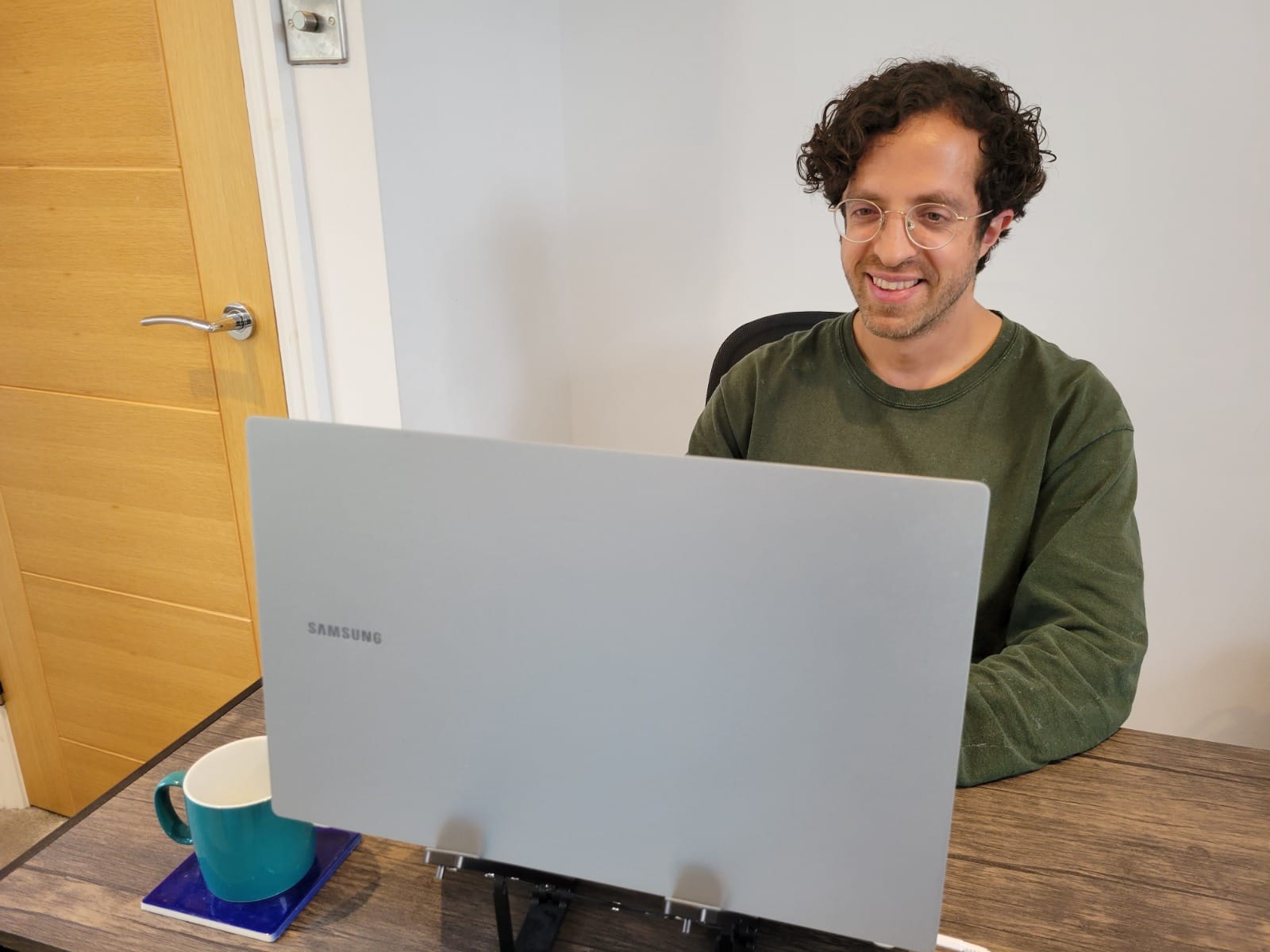
Ready to take the first step? Book a free 15-minute call to see how I can help you.
Benefits and Challenges
Below I have listed the benefits and challenges of remote therapy to help you decide whether it is suited to you:
Benefits
Effective
Research shows that online therapy is just as effective as face-to-face. I’ve found that people who are worried that something will be missing are often surprised by how natural it feels.
Convenient
You don’t have to rush to an appointment or deal with travel stress. You can just log in from wherever works best for you. This makes it easier to prioritise your mental health without additional strain.
Comfortable
Talking about personal things can feel easier when you’re in a space that’s familiar to you. When you’re used to being the ‘strong one’ or holding things in, this may be particularly important to you. If walking into a therapy office feels daunting, online sessions could be a better fit.
Accessible
If getting to appointments is difficult due to health, mobility, or energy levels, online therapy could be a good choice. This also applies when you are living abroad and want to access counselling in English.
Privacy
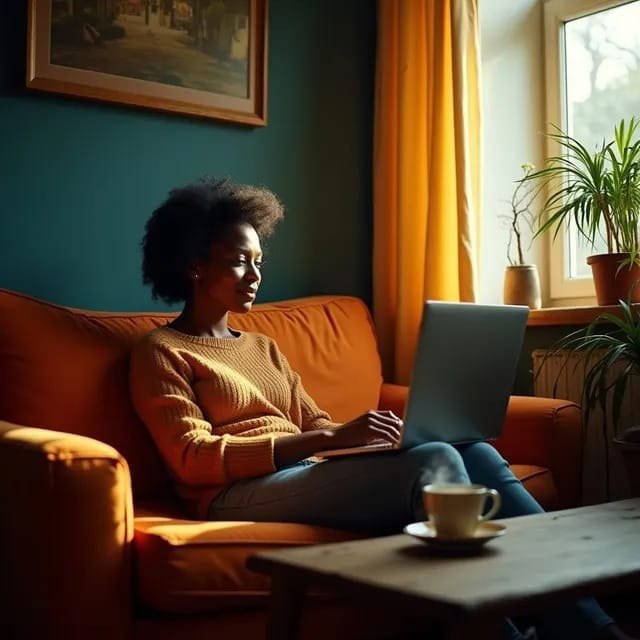
You might value the extra privacy online therapy offers. You don’t have to worry about bumping into anyone on the way to a session. It’s just you, in your own space.
Challenges
Visual limitations
Since we’re not in the same room, I may not be able to see all of your body language and facial expressions. This won’t prevent my empathy though. I’ll check in with you often to make sure I’m understanding how you’re feeling
Distance
In my experience it’s unusual, but some people find it takes a little longer to feel connected online. If you’re unsure, we can talk about what would help you feel comfortable.
Access to a private space
To get the most out of therapy, it’s important to have a space where you feel safe to talk openly. If privacy is tricky, we can explore solutions: some clients use headphones, sit in a parked car, or time sessions when others are out.
When online therapy may not be suitable
While online therapy works well for most people, there are a few situations where it might not be the best fit. If your internet connection is unreliable, this could disrupt sessions. In this case, phone therapy could be a good alternative.
Privacy is also key. If you don’t have access to a quiet, private space, in-person therapy may be a better option.
And if you’re experiencing a severe mental health crisis or you’re actively suicidal (intending to act on your thoughts), online therapy alone would not be enough. It can still be part of a wider support system, but additional in-person or crisis support would be important.
If you are based in the UK and are currently experiencing a mental health crisis, you can contact NHS 111 either via phone, or online.
Does online therapy sound like a good fit? Get started with a free 15-minute call to see how we could work together.